Step into a world where your lighting adapts to your mood, schedule, and every command. Smart bulbs have revolutionized how we interact with our living spaces, and among them, the distinctive globe smart bulb stands out, offering both aesthetic appeal and advanced functionality. If you’re looking to transform your home with intelligent lighting, understanding the nuances of these spherical marvels is your first step. This comprehensive guide will illuminate everything you need to know, helping you select, set up, and creatively use globe smart bulbs to create the perfect ambiance.
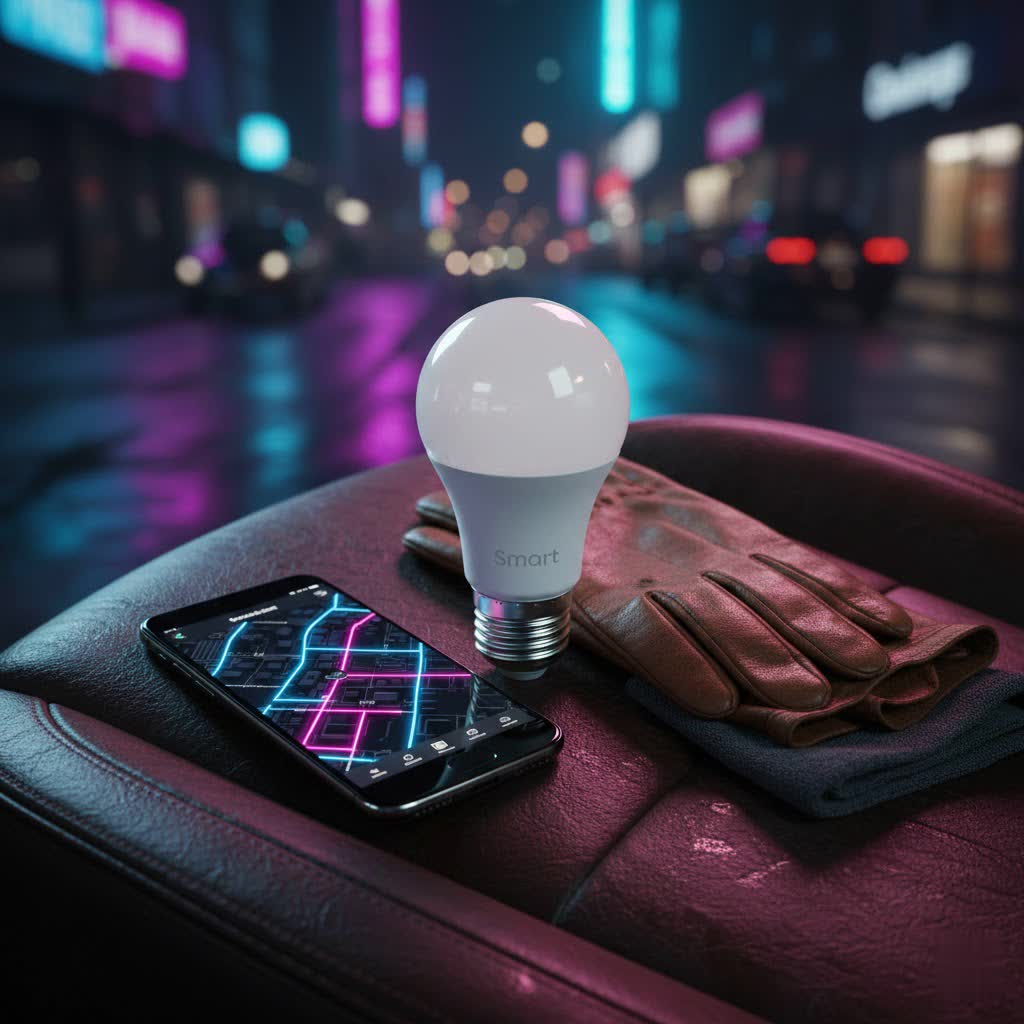
Choosing the Perfect Smart Bulb: A Detailed Guide for 2024
The journey to a smarter home often begins with lighting. The right smart bulb can elevate your everyday experience, offering convenience, energy efficiency, and personalized illumination. But with a myriad of options, how do you pinpoint the perfect fit?
Popular Types of Smart Bulbs
While “smart bulb” is a broad term, referring to any light bulb that can be controlled remotely or automate its functions, they come in various shapes and sizes, each suited for different applications. Globe smart bulbs, distinguished by their spherical or near-spherical shape (often G25 or G30 designations), offer a soft, diffused light ideal for exposed fixtures, vanity mirrors, or decorative pendants where the bulb itself is part of the design.
Beyond globe shapes, you’ll also encounter:
- A-series (e.g., A19, A21): The most common “standard” bulb shape, versatile for lamps and enclosed fixtures.
- Candle (B-shape or C-shape): Often used in chandeliers or decorative fixtures.
- Spotlight (PAR, BR, MR series): Designed for directional lighting in recessed cans or track lighting.
- Filament bulbs: Mimicking traditional incandescent bulbs with visible “filaments,” offering a vintage aesthetic.
|
Our Picks for the Best Smart Bulb in 2026
As an Amazon Associate I earn from qualifying purchases.
|
||
| Num | Product | Action |
|---|---|---|
| 1 | DiCUNO MR16 Smart Bulbs Alexa, RGBCW Color Changing Light, 5W GU5.3 Smart Bulb Compatible with Google Home, Dimmable with App, 2.4GHz WiFi, AC/DC 12V, Bi-pin Base, 400LM, Landscape Light, 4-Pack |

|
| 2 | Linkind Smart Light Bulbs, Smart Bulb That Work with Alexa & Google Home, LED Light Bulbs Color Changing, 104 Preset Scene, Music Sync, A19 E26 2.4GHz RGBTW WiFi Bluetooth Light Bulb 60W, 800LM, 4Pack |
|
| 3 | Amazon Basics Smart A19 LED Light Bulb, Color Changing, 9W (60W Equivalent), 800LM, Works with Alexa Only, 2.4 GHz Wi-Fi, No Hub Required, 4 Pack |
|
| 4 | Philips Hue Essential Smart LED A19 Bulb, White and Color Ambiance, E26 Base, 8.8W, 2200K-6500K, 800 Lumens, Dimmable, Works with Alexa, Google, and Apple Home, 4-Pack |
|
| 5 | Govee Smart Light Bulbs, Color Changing Light Bulb, Work with Alexa and Google Assistant, 16 Million Colors RGBWW, WiFi & Bluetooth LED Light Bulbs, Music Sync, A19, 800 Lumens, 4 Pack |
|
| 6 | Kasa Smart Light Bulbs, Full Color Changing Dimmable Smart WiFi Bulbs Compatible with Alexa and Google Home, A19, 9W 800 Lumens,2.4Ghz only, No Hub Required, 4 Count (Pack of 1), Multicolor (KL125P4) |
|
| 7 | Lightinginside Smart Light Bulbs 100W Equiv., 1350LM 11W Smart Bulb Works with Alexa/Google Home/Smart Life, A19 E26 RGBCW Color Changing, No Hub Required, 2.4G WiFi Bluetooth Bulb, ETL Listed, 4PCS |
|
| 8 | Kasa Smart Light Bulbs, Full Color Changing Dimmable Smart WiFi Bulbs Compatible with Alexa and Google Home, A19, 60 W 800 Lumens,2.4Ghz only, No Hub Required, 2-Pack (KL125P2), Multicolor |
|
| 9 | Restful 2-Pack Bedtime Bulb v2 for Better Sleep (45+ Years of Light) – Dimmable Low Blue Light, Gentle Infrared Light, and Low EMF Bulb |
|
| 10 | Amazon Basics Smart A19 LED Light Bulb, Color Changing, 9W (60W Equivalent), 800LM, Works with Alexa Only, 2.4 GHz Wi-Fi, No Hub Required, 1 Pack |
|
Each type, including the globe smart bulb, typically utilizes LED technology, providing significant energy savings and a longer lifespan compared to traditional incandescent or halogen bulbs. The choice of shape often depends on the fixture and desired aesthetic, but the smart capabilities remain largely consistent across types.
Key Features of Smart Bulbs
What truly makes a smart bulb intelligent? It’s the array of features that go beyond simple on/off functionality. These capabilities empower you to customize your lighting experience to an unprecedented degree:
- Remote Control: Easily manage your lights from anywhere using a dedicated smartphone app. This means you can turn lights on before you arrive home or switch them off if you forgot.
- Color Changing and Tunable White: Many smart bulbs offer a full spectrum of colors (RGB) and adjustable white light (tunable white), allowing you to shift from warm, cozy amber to crisp, cool daylight. This flexibility is perfect for setting moods, enhancing focus, or supporting natural sleep cycles.
- Dimming and Brightness Control: Precision dimming capabilities let you adjust the intensity of light without needing a physical dimmer switch. This creates subtle changes in ambiance or saves energy when full brightness isn’t necessary.
- Scheduling and Timers: Program your lights to turn on or off at specific times, creating routines that align with your daily schedule or enhancing home security by simulating occupancy.
- Voice Control Integration: Seamlessly connect with smart assistants like Amazon Alexa, Google Assistant, or Apple Siri for hands-free control. Simply speak your command, and your lights obey.
- Smart Home Ecosystem Integration: Many smart bulbs, including globe smart bulbs, can integrate with broader smart home systems (e.g., Samsung SmartThings, Apple HomeKit) to work in harmony with other devices like sensors, thermostats, or security cameras.
Top Smart Bulb Brands Comparison Table
The market is rich with smart bulb innovators. While Philips Hue remains a premium standard, several brands offer compelling features and value, often with their own unique ecosystems. For globe smart bulbs specifically, you’ll find options across various manufacturers, often supporting similar core functionalities but differing in app experience and ecosystem integration.
Here’s a comparison of some leading brands, including those relevant to globe smart bulbs and their general offerings:
| Feature | Philips Hue | Globe Electric (Globe Suite) | WiZ Connected | Kasa Smart (TP-Link) |
|---|---|---|---|---|
| Hub Required? | Yes (Hue Bridge for full features) | No (Wi-Fi direct) | No (Wi-Fi direct) | No (Wi-Fi direct) |
| Connectivity | Zigbee (to bridge), Wi-Fi/Bluetooth (direct) | Wi-Fi (2.4GHz), Bluetooth | Wi-Fi (2.4GHz) | Wi-Fi (2.4GHz) |
| Voice Control | Alexa, Google Assistant, Siri, HomeKit | Alexa, Google Assistant, Siri Shortcuts (limited HomeKit) | Alexa, Google Assistant, Siri Shortcuts | Alexa, Google Assistant |
| Color/White | Full Color & Tunable White | Full Color & Tunable White | Full Color & Tunable White | Full Color & Tunable White |
| App Interface | Intuitive, feature-rich | Functional, can be technical for advanced scenes | User-friendly, pre-set scenes | User-friendly, energy monitoring |
| Ecosystem | Broadest, extensive third-party integration | Globe Suite ecosystem, limited third-party | Signify (Philips company), growing integrations | TP-Link Kasa ecosystem, IFTTT |
| Price Point | Premium | Mid-range | Mid-range | Budget to Mid-range |
| Specific Globe Bulbs | Yes (e.g., Hue G25) | Yes (various G-shapes, decorative filament) | Yes (e.g., G25) | Less emphasis on distinct globe shapes, more A19 |
Many manufacturers offer globe-shaped smart bulbs. For example, Globe Electric provides Wi-Fi Smart Filament Globe bulbs and other spherical designs, often without requiring a separate hub, connecting directly to your home’s 2.4GHz Wi-Fi network. This makes them an accessible entry point into smart lighting.
Smart Bulb Buying Guide
Choosing the right globe smart bulb involves more than just picking a brand. Consider these essential factors to ensure you make an informed decision:
- Form Factor (Shape and Base): For globe smart bulbs, confirm the specific shape (e.g., G25, G30) and base type (E26/E27 medium screw base, E12 candelabra, B22 bayonet) matches your fixtures.
- Brightness (Lumens): This indicates how bright the bulb is. A standard 60W incandescent bulb is roughly 800 lumens. Choose based on room size and desired light intensity.
- Color Temperature (Kelvin): For tunable white bulbs, look for a wide Kelvin (K) range (e.g., 2000K-6500K). Lower K values (2000K-2700K) produce warm, yellowish light; higher K values (5000K-6500K) produce cool, bluish light.
- Color Rendering Index (CRI): A higher CRI (80+ is good, 90+ is excellent) means colors will appear more natural and vibrant under the light.
- Connectivity Protocol:
- Wi-Fi: Connects directly to your home Wi-Fi (usually 2.4GHz). No hub needed, but can sometimes strain your network if you have many devices.
- Bluetooth: Connects directly to your phone/tablet. Great for single-room control, but range is limited, and remote control (outside the home) often requires a hub or bridge.
- Zigbee/Z-Wave: Requires a dedicated hub to connect. Offers a robust mesh network, extending range and reducing Wi-Fi congestion. Philips Hue uses Zigbee.
- Matter: A new universal standard aiming to simplify smart home device compatibility across different platforms. Look for Matter-certified bulbs for future-proofing.
- Compatibility: Ensure the bulb works with your preferred smart home ecosystem (Alexa, Google Assistant, HomeKit) and any existing smart devices.
- Energy Efficiency: LEDs are inherently energy-efficient. Look for Energy Star certification for maximum savings.
- Budget: Prices vary significantly based on brand, features, and connectivity. Determine your budget before exploring options.
How to Install and Use Smart Bulbs
Installing a globe smart bulb is typically a straightforward process, often easier than you might think. Most modern smart bulbs are designed for user-friendliness.
Step-by-Step Installation:
- Screw in the bulb: Replace your old bulb with the new globe smart bulb in your desired fixture. Ensure the fixture’s power is off before handling.
- Download the App: Download the manufacturer’s companion app (e.g., Globe Suite, Philips Hue, WiZ) to your smartphone or tablet from the App Store or Google Play.
- Create an Account: Open the app and follow the prompts to create a user account and log in.
- Pair the Bulb:
- Turn on the light fixture.
- Follow the in-app instructions to add a new device. This often involves switching the light on/off a few times until it begins to flash, indicating it’s in pairing mode.
- Connect to your 2.4GHz Wi-Fi network (if applicable) and enter your Wi-Fi password when prompted.
- The app will detect and connect to your smart bulb.
- Customize: Once connected, you can name your bulb, assign it to a room, and start exploring its features like color changing, dimming, and scheduling.
- Integrate Voice Assistants: If you have Alexa or Google Assistant, open their respective apps, link your smart bulb account, and enable the smart bulb skill for voice control.
Troubleshooting Tips:
- 2.4GHz Wi-Fi: Most smart bulbs only work on the 2.4GHz band of your Wi-Fi network. If you have a dual-band router, make sure your phone is connected to the 2.4GHz network during setup.
- Proximity: Keep your phone close to the bulb during the initial pairing process.
- Resetting: If pairing fails, try resetting the bulb by turning it on/off a specific number of times (check your bulb’s manual for the exact sequence) until it flashes, then try pairing again.
- App Updates: Ensure your smart bulb app is always updated to the latest version.
Creative Applications of Smart Bulbs
Globe smart bulbs are more than just light sources; they are tools for enhancing your lifestyle and creating dynamic environments.
- Transforming Ambiance: Use color-changing globe smart bulbs to set the perfect mood for any occasion. A warm amber glow for a cozy evening, vibrant blues and purples for a party, or soft pastels for relaxation.
- Smart Home Security: Program lights to turn on and off randomly when you’re away, making it appear as if someone is home, deterring potential intruders.
- Wake-Up and Sleep Routines: Gradually brighten lights in the morning to gently wake you, mimicking a natural sunrise. In the evening, dim and shift to warmer tones to prepare your body for sleep, supporting your circadian rhythm.
- Energy Savings: Monitor energy consumption through the app and set schedules to ensure lights are only on when needed, significantly reducing electricity bills. LEDs inherently consume less power, but smart controls amplify these savings.
- Task Lighting: Adjust the color temperature to optimize for different activities. Cooler, brighter whites are great for focus during work or reading, while warmer tones are better for winding down.
- Decorative Accents: Globe smart bulbs are inherently stylish. Use them in exposed fixtures to create visual interest while simultaneously enjoying smart features.
“Smart lighting isn’t just about convenience; it’s about crafting an environment that responds to your life. Globe smart bulbs, with their versatile design and intelligent features, are key to unlocking truly intuitive and personalized living spaces.” – Dr. Eleanor Vance, Smart Home Innovations Researcher
Conclusion
Globe smart bulbs represent a blend of classic aesthetics and cutting-edge technology, offering a simple yet powerful way to elevate your home’s lighting. From their diverse shapes and connectivity options to their extensive features for customization and integration, these intelligent light sources empower you to create a dynamic, efficient, and truly personalized living environment. Whether you’re seeking to enhance security, optimize your sleep patterns, or simply set the perfect mood with a tap or voice command, globe smart bulbs are an indispensable component of the modern smart home.
Ready to brighten your world with intelligent design? Explore the range of globe smart bulbs available today and discover how effortless smart living can be. What will be the first smart lighting routine you implement in your home?
Frequently Asked Questions
What makes a “globe” smart bulb different from other smart bulbs?
A “globe” smart bulb is primarily distinguished by its spherical or near-spherical shape, often designated as G25 or G30. This design is popular for exposed fixtures where the bulb itself is a decorative element, offering a soft, diffused light, whereas other smart bulbs might have more traditional A-series or spotlight shapes.
Do globe smart bulbs always require a hub for smart functionality?
No, many globe smart bulbs, especially those from brands like Globe Electric or WiZ, connect directly to your home’s 2.4GHz Wi-Fi network and can be controlled via an app or voice assistant without a dedicated hub. However, some premium systems like Philips Hue might use a bridge (hub) for enhanced reliability, range, and advanced features.
